
We all experience stressful situations in our lives, which can range from minor irritations like traffic delays to more serious worries like a loved one's serious illness. Fortunately, there are many Reduce Stress methods that can help us manage these situations more effectively
This widely recognized "stress response" is a normal reaction to risky situations that arose during the survival of our prehistoric ancestors in the face of dangers like animal assaults and floods.
Even if we no longer regularly face these physical threats, stressful situations in daily life can nevertheless cause the stress response. Stress-causing factors cannot be and are not intentionally removed from our life. But we can come up with better responses to them.
Mindfulness practice aims to reduce stress. At The Sprouts Counseling with regular practice you build up Awareness of your mind and body. It helps to focus your attention on the present moment.
Five Reduce Stress Methods Outlined Below
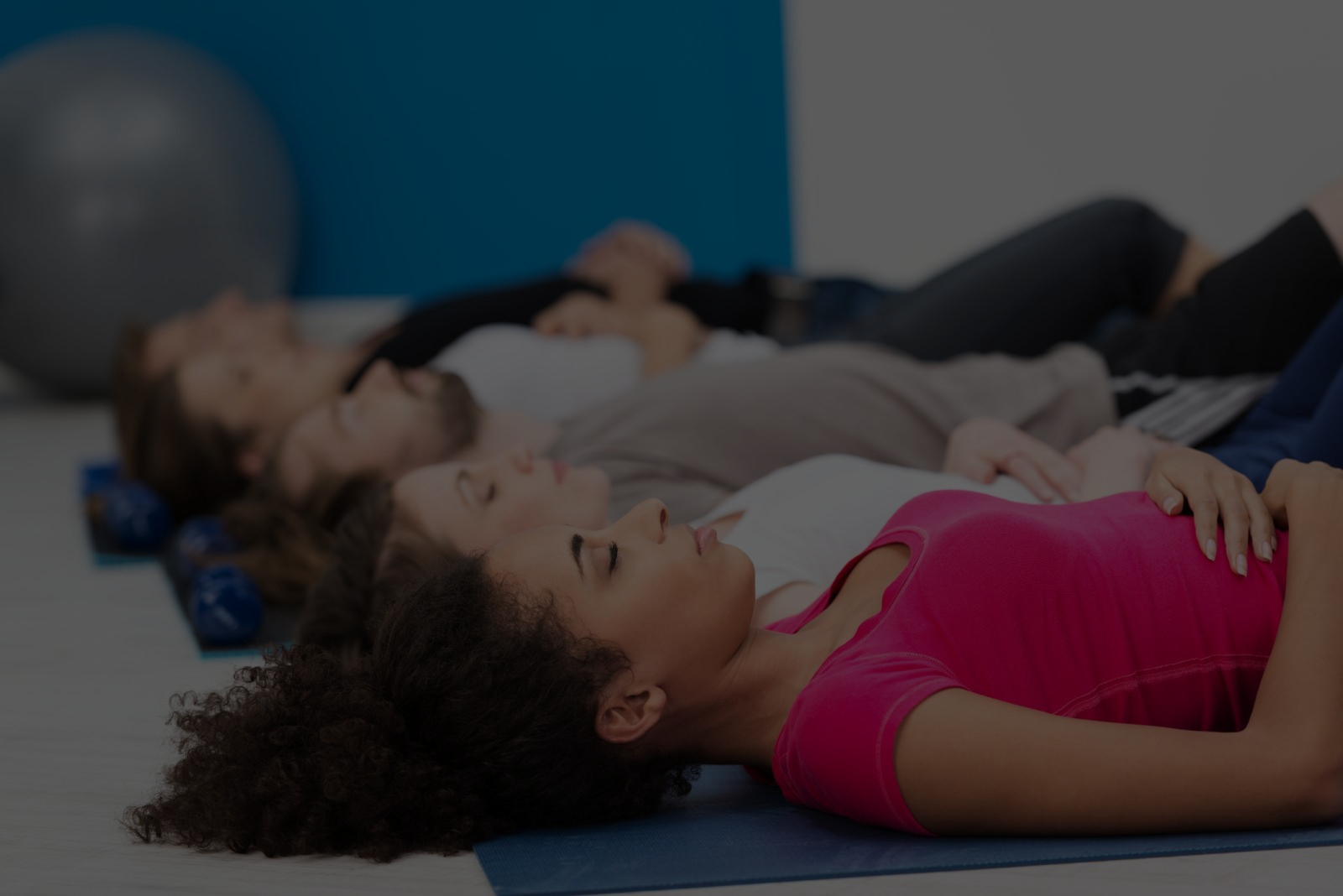
- Progressive Muscle Relaxation (PMR): This technique involves tightening and releasing specific muscle groups to alleviate muscle tension and promote relaxation.
- Deep Breathing Exercises: This technique involves taking slow, deep breaths to decrease stress and enhance relaxation.
- Visualization: This technique involves imagining a serene and peaceful scene to help reduce stress and anxiety.
- Mindfulness Meditation: This technique involves focusing on the present moment and observing your thoughts and emotions without judgment.
- Yoga: This ancient practice combines physical postures, breathing techniques, and meditation to improve both physical and mental health.
The following simple creative mindful techniques for anxiety:
Body Stretching:
By increasing your body understanding, stretching while you work enables you to become more aware of how your body feels. While working while seated, you can stretch by leaning backward and feeling how your entire body responds. You can also link your fingers and raise your hands to the heavens.The Sprouts help to overcome the mind problem with their mindful techniques for anxiety.
Conscious eating:
You might find mindful eating unusual at first, but bear with me. It has little to do with restricting your carbohydrate intake or regulating what you eat, instead having to do with eating more mindfully.
Being conscious of the food you consume and how it makes you feel is the aim of eating with mindfulness. As a result, you aren't just chewing and digesting; you're also thinking about the taste, how the food feels in your mouth, and how it makes you think.
Walking:
If you enjoy nature walks, you would appreciate mindful walking. When you consciously walk with an intention to release the stress happy hormones, do wonders.
A great way to do this while paying attention to your steps is to go barefoot. Walking barefoot allows you to feel the ground under your feet and breathe. Force your thoughts to come back to the present and how you are feeling if they ever stray.
Breathing exercises:
When you practice mindful breathing, you will lengthen your breath to calm your body and shorten it to purify your mind. When you're anxious or worried, deep, methodical breathing might help you unwind and restore your concentration.
Active listening:
Immerse yourself in listening to music, the keys of the piano, the strings of a guitar. Soak in the Melody of the tunes and the symphony of the music.
Learn Powerful Reduce Stress Methods For Stress Relief
The ideal technique is one that appeals to you, fits your lifestyle, and may help you focus so that you feel relaxed. That suggests that it can take some trial and error to find the way (or strategies) that work best for you. After achieving it, behavioral activation techniques and persistent practice can help reduce ongoing tension and worry, improve sleep, boost optimism, and improve your general well-being. All these techniques work only if you honestly work on mindful reflection practices continously.
#1: Deep breathing:
A simple but powerful relaxation technique is deep breathing, which stresses taking lengthy, cleansing breaths. It offers a powerful method of stress reduction and is easy to learn and practice almost anywhere.
#2: Progressive muscle and skeletal relaxation
Progressive muscle relaxation is a two-step method that gradually tenses and relaxes different physiological muscle groups. With regular practice, you can become acutely aware of how certain body parts feel both under stress and when they are completely at ease. This could help you react to the earliest signs of bodily strain brought on by stress with the help of Reduce Stress Methods. Along with your body relaxing, your mind will as well.
#3: Visualization:
You visualize a calm environment where you are free to let go of any stress and worry when you practice representation, also known as guided imagery. This is an alternative to conventional meditation. Maybe it's a tropical beach, a place you adored when you were a child, or a tranquil forested glen, choose a setting that makes you feel at ease.
The Sprouts Counselling on how to start a relaxing routine?
Although the foundations of these relaxation techniques are straightforward to learn, constant practice is required to fully realize their stress-relieving potential. Plan to unwind for a minimum of ten to twenty minutes each day.
If you can, aim to practice once or twice a day at a set time. If your calendar is already jam-packed, think about practicing some meditation while taking the bus or train to work, taking a yoga or tai chi break over lunch, or practicing mindful walking while you take your dog for a walk. Here, you can know more about The Sprouts Singapore.
Be prepared for highs and lows. It may take some time and effort to fully reap the advantages of relaxing techniques like meditation with Mindful Reflection Practices. You'll reap the rewards more quickly the longer you persist. Start over immediately, then gradually regain your prior momentum.